Last updated 2026-08-18
TL;DR
Arkansas has not legalized human composting (natural organic reduction) as of 2026. No provider can operate, no license gets issued, and no renewal process exists. If Arkansas adopted laws like Washington's or Colorado's, renewal would likely track funeral establishment and crematory rules: annual fees and inspections. Today, you cannot open a human composting facility in Arkansas.
Is human composting legal in Arkansas?
No. Arkansas law does not authorize natural organic reduction (NOR), the technical term for human composting. The Arkansas State Board of Embalmers, Funeral Directors, Cemeteries, and Burial Services regulates death care under Title 17, Chapter 29 of the Arkansas Code. That chapter covers funeral establishments, funeral directors, embalmers, crematories, and burial associations. It contains no provision for natural organic reduction [1]. A facility trying to offer human composting has no legal category to operate under. That is the whole problem in one sentence.
Do you need a license for human composting in Arkansas?
No license for human composting exists in Arkansas because the state has not authorized the practice. The board that would issue any such license (the State Board of Embalmers) has no application or renewal pathway for NOR. Try to perform human composting and you would run afoul of statutes governing the disposition of dead bodies, possibly triggering penalties for unlawful funeral service. The closest legal structure is a funeral establishment license, but that license does not permit human composting [1]. No board rule or statute authorizes it, so no license can be issued. Full stop.
How much does human composting cost in Arkansas?
Nothing, because no provider legally operates here. In states that have legalized the practice, families typically pay $5,000 to $7,000. US Funerals Online surveyed providers and put the average price for natural organic reduction near $5,500 [2].
Here are a few comparable costs from out-of-state providers:
| Provider | State | Approx. Price |
|---|---|---|
| Recompose | WA | $5,500 |
| Return Home | WA | $4,950 |
| Earth | OR | $5,400 |
These prices move over time. If Arkansas legalizes NOR, expect early pricing in the same band, adjusted for local operating costs.
How long does human composting take in Arkansas?
No facility exists, so there is no local timeline. In practice, the full process from body intake to usable soil takes about 45 days. Recompose, one of the first NOR providers, states on its FAQ: “The entire process takes about 45 days” [3]. A Washington State University study of controlled composting found that active decomposition takes roughly 30 days, with an added curing period bringing total time to 4 to 6 weeks [4]. That same range would likely apply if a facility were ever allowed in Arkansas.
What would the renewal process look like if Arkansas legalized human composting?
Arkansas would almost certainly fold human composting into the existing framework for funeral homes and crematories. Today, funeral establishment licenses renew annually. Arkansas Code § 17-29-304 says: “Every funeral establishment, funeral director, embalmer, and crematory license shall be renewed annually” [1]. Renewals require a completed application, payment of a fee set by the board, proof of continuing education, and a passing inspection. The board can refuse to renew for noncompliance with sanitation rules, zoning, or other violations.
If NOR were legalized, its renewal would probably mirror crematory renewal: an annual renewal date, a fee set by rule, and an inspection to verify the composting process meets environmental and safety standards. You would not reapply from scratch each year. You would need to stay current on any changes to board rules.
Are there any active bills to legalize human composting in Arkansas?
No. As of August 2026, no bill addressing human composting has been filed in the Arkansas General Assembly. A search of the legislative database for the 2023, 2024, and 2025 sessions returned nothing under “natural organic reduction” or “human composting.” A bill could surface in a future session. The next regular session convenes in January 2027 [5]. Watch the legislature's bill tracking page [5] and the national Funeral Consumers Alliance for updates.
What states have legalized human composting?
Human composting is legal in 15 states as of mid-2026 [6]. The count has climbed fast since Washington went first in 2019.
| State | Year Legal | First Statute/Bill |
|---|---|---|
| Washington | 2019 | SB 5001 |
| Colorado | 2021 | SB 21-006 |
| Oregon | 2022 | HB 2574 |
| Vermont | 2022 | Act 115 |
| California | 2023 | AB 351 |
| New York | 2023 | A 382 |
| Nevada | 2023 | AB 105 |
| Minnesota | 2023 | HF 1994 |
| Maryland | 2023 | HB 1257 |
| Arizona | 2024 | SB 1117 |
| Illinois | 2024 | HB 3158 |
| Maine | 2024 | LD 1536 |
| New Mexico | 2024 | SB 237 |
| Connecticut | 2024 | SB 210 |
| Delaware | 2024 | SB 162 |
This list matters because Arkansas legislators tend to borrow model bills from peer states.
How does Arkansas regulate funeral services right now?
The Arkansas State Board of Embalmers, Funeral Directors, Cemeteries, and Burial Services oversees death care licensing. The board sets examination requirements, issues licenses, runs inspections, and handles renewals and complaints. Its authority comes from Arkansas Code Title 17, Chapter 29 [1]. A new facility, funeral home or crematory, has to secure a permit and pass an initial inspection before opening. Renewal is annual. Any human composting law would almost certainly amend this chapter to add a section for NOR operators, putting them under the same board.
What can you do if you want human composting in Arkansas?
The most direct path right now is legislative advocacy. Contact your state representative and senator and ask them to introduce a bill modeled on Washington's SB 5001 or Colorado's SB 21-006. The national Funeral Consumers Alliance lobbies for green death care options and keeps a bill tracker [6]. Talk to local funeral homes too, and ask if they would support a regulatory change. A funeral director willing to speak publicly about demand can sway committee votes. No petition or ballot measure will do it. Only the legislature can change the statute.
Could you run a human composting business in Arkansas without a license?
No. Handling the disposition of a human body without proper licensure is a criminal matter. Arkansas Code § 5-39-205 makes it a Class D felony to treat a corpse in a way that would outrage ordinary family sensibilities or to dispose of a body without authorization [7]. Even with consent from the family, you would lack the regulatory cover of a licensed facility. Any attempt to run a “home” composting setup would expose you to felony charges, civil liability, and board action that could permanently bar you from any funeral profession.
Are there any green burial options in Arkansas while we wait?
Yes. Arkansas has cemeteries that permit green burial: no embalming, a biodegradable casket or shroud, and shallow grave depths. Bluff Springs Cemetery in Montgomery County and several natural burial preserves in neighboring Oklahoma accept bodies without chemical preservatives. The Arkansas Department of Health does not require embalming unless a body crosses state lines by common carrier or gets held longer than 48 hours without refrigeration [8]. Green burial is not human composting. But it keeps the body out of a crematory retort and avoids formaldehyde.
Frequently asked questions
Do you need a license for human composting in Arkansas?
No. Arkansas law does not authorize human composting, so the state has no license category or renewal process for it. If a bill passed later, the Arkansas State Board of Embalmers would likely administer a new license type similar to a funeral establishment or crematory permit.
How much does human composting cost in Arkansas?
There is no cost in Arkansas because the practice is not legal. In states where it is available, families pay $5,000 to $7,000. Factors that move the price include local overhead, facility fees, and whether a funeral home bundles the service with transportation and paperwork.
How long does human composting take in Arkansas?
No timeline exists for Arkansas. Based on operational data from Washington and Colorado, the process from body placement to finished soil takes about 45 days, with the active composting phase lasting 30 days and a curing period of 2 to 3 weeks.
Has anyone tried to legalize human composting in Arkansas?
As of 2026, no bill has been filed. Neighboring states like Missouri and Oklahoma have also seen no legislative action. The Arkansas General Assembly leans conservative on funeral regulation, but the fast expansion of NOR laws elsewhere could spark interest in the 2027 session.
Who regulates funeral directors in Arkansas?
The Arkansas State Board of Embalmers, Funeral Directors, Cemeteries, and Burial Services. The board licenses funeral establishments, embalmers, crematory operators, and burial associations, and handles annual renewals, inspections, and complaints under Title 17, Chapter 29.
Can I compost a body on my own land in Arkansas?
No. Any unlicensed disposition of a human body is a felony under Arkansas Code § 5-39-205. Even where a green burial is allowed on private property in some counties, that means burial in a grave, not composting. You have to follow the law strictly.
What’s the difference between human composting and green burial?
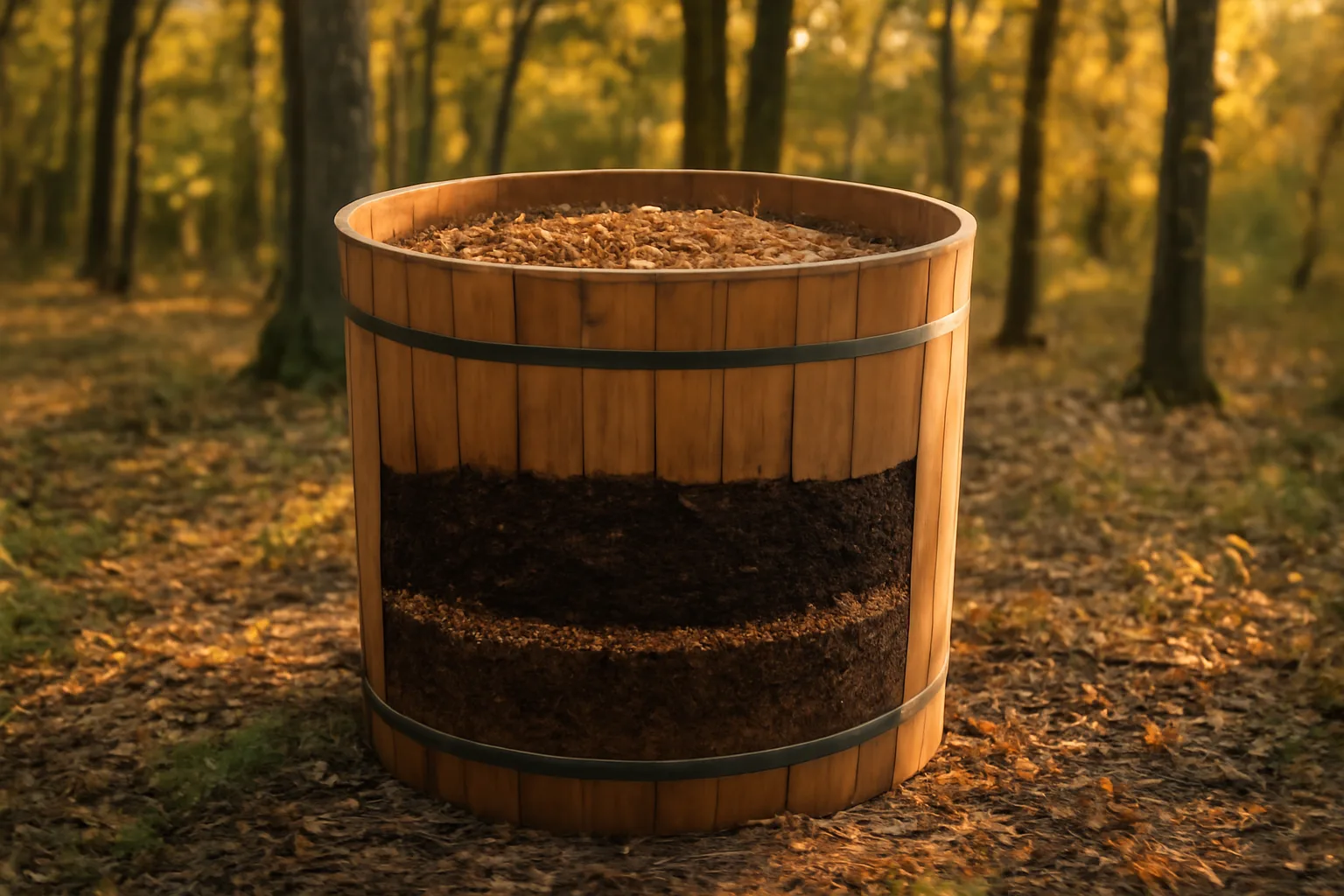
Green burial places an unembalmed body in the ground in a biodegradable container, letting it decompose slowly. Human composting speeds decomposition in a controlled vessel with wood chips, alfalfa, and straw, turning the body into soil in about 45 days. Both avoid cremation and embalming chemicals.
How do I find out if a bill gets introduced?
Check the Arkansas State Legislature’s bill tracking page (arkleg.state.ar.us) and search for “natural organic reduction” or “human composting.” Create a free account to set an alert through the system. The national Funeral Consumers Alliance site also tracks new state bills.
Is there a HumusPath kit for Arkansas?
HumusPath offers a NOR Facilitator Statute Kit with a model state bill, a licensing workflow, and a first-year operations map. It is not state-specific yet, but it gives a blueprint you can hand to a legislator. See /start if you want the paper path before a bill exists.
What happens if I transport a body to a legal state for human composting?
You can arrange transportation to a facility in Washington, Colorado, or another legal state. That triggers Arkansas’s rules on out-of-state funeral director coordination. You will need a licensed Arkansas funeral director to release the body and comply with interstate shipment rules. The receiving facility handles the NOR process. Shipping raises the total cost a lot.
Sources
- Arkansas Code Title 17, Chapter 29, Subchapter 3: Funeral establishment and crematory licensing framework with no mention of natural organic reduction, and renewal requirements in § 17-29-304.
- US Funerals Online, Natural Organic Reduction Guide: Cost range for human composting is $5,000 to $7,000, with an average around $5,500.
- Recompose FAQ: The entire human composting process takes about 45 days.
- Washington State University, Pilot-scale human composting study (2019 to 2020): Active composting takes around 30 days, with an additional curing phase for a total of 4 to 6 weeks.
- Arkansas State Legislature, Session Overview: Next regular session begins January 2027, and the bill tracking page is the authoritative source for filing search.
- Funeral Consumers Alliance, States Where Human Composting Is Legal: List of 15 states with legalization years and initial statute numbers.
- Arkansas Code § 5-39-205, Abuse of a Corpse: Unlawful disposition or treatment of a corpse is a Class D felony.
- Arkansas Department of Health, Vital Records, Disposition of Dead Bodies regulation: Embalming not required except for interstate transport by common carrier or when refrigeration is unavailable for >48 hours.